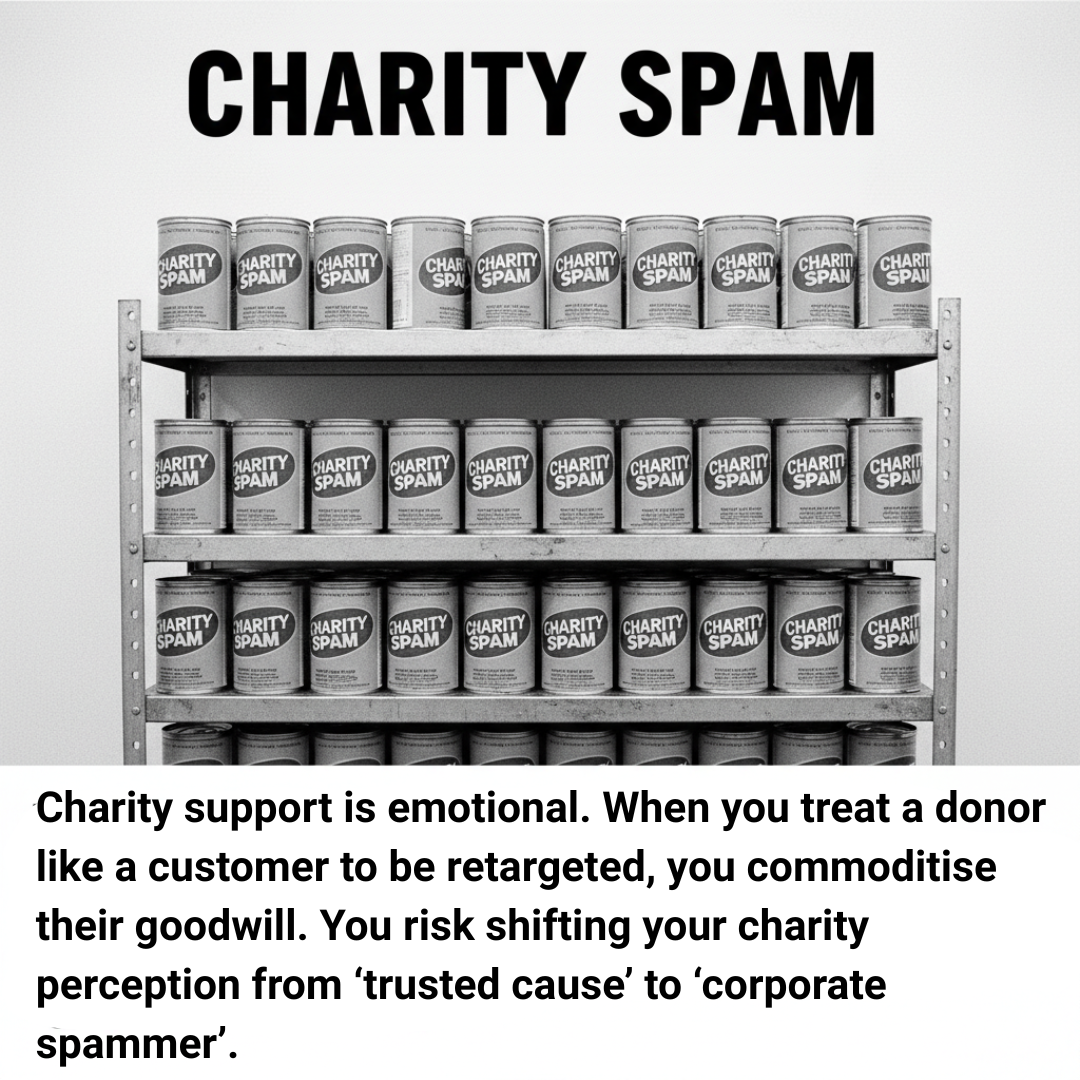

On LinkedIn the ICO (Information Commissioner’s Office) posted on LinkedIn regarding the new soft opt-in rules. The post started with:
Charities now have more flexibility on how they contact their supporters under data law change. Under the recent Data (Use and Access) Act, charities can email, text and direct message supporters on social media without prior consent under a new “soft opt‑in” as long as if strict requirements are met.
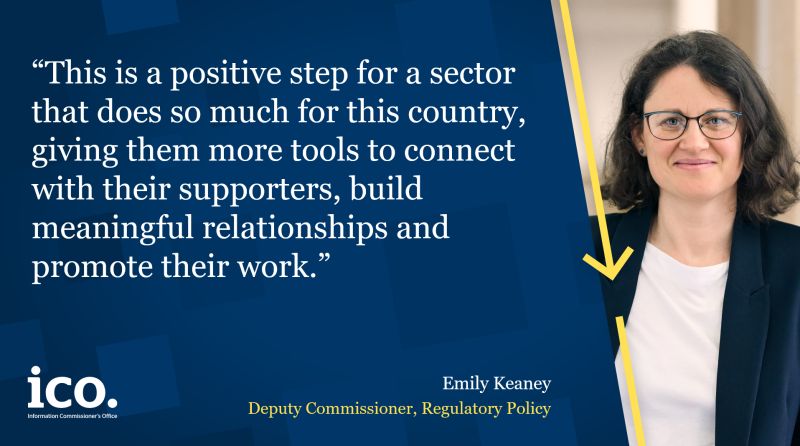
With the post was the image below, a statement that could be true of opt-in.
The trouble is the “strict requirements” are basically the same as having opt-in, and in fact more confusing due to the distinction between charity activity and charity services.
My reply was simple:
I think this has made it more complicated. Opt-in was straight forward. Now a tick box still has to be present, but you click to OPT-OUT, which may confuse people used to the box tick being opt-in. Slightly deceptive.
Moreover you have auto created two mailing list categories: services and charitable work. This again will cause confusion. On top of that it is not retroactive, (which is the correct thing to do), but old mailing lists will now need these two categories with new “soft opt-in” contacts being allocated as necessary.
I would suggest sticking to opt-in, it is far more clear, open and honest.
Here is the difference between opt-in and soft opt-in:
Soft opt-in still requires a check box, so why not just stick to what you have been using?
When the initial opt-in changes happened for the charity I worked for it was fine as I had already split the list out, because fundraising was especially under fire I opted for three list category: Appeals, News & Update, Online Shop. Giving your supporters or potential supporters a choice about what they want to receive should be obvious. Why do charities want to be like corporations?
It is better to have an engaged mailing list rather than a massive one.