
The landscape of digital fundraising for UK charities is on the cusp of a significant transformation. The Privacy and Electronic Communications Regulations (PECR), a key piece of legislation governing electronic marketing, is set to undergo a pivotal change in 2026. This evolution, driven by the new Data (Use and Access) Act 2025, will directly impact how charities engage with potential and existing supporters. For fundraising teams across the country, understanding and preparing for these changes is not just recommended—it’s essential for future success. This article explores the upcoming PECR amendments, with a focus on the new “charitable purpose soft opt-in,” and what it means for the future of charity fundraising in the UK.
Understanding PECR and Its Impact on Charities
PECR works alongside the UK General Data Protection Regulation (UK GDPR) to regulate how organisations can communicate with individuals by electronic means, such as email, text messages, and telephone calls. Historically, PECR has required charities to obtain explicit consent—a clear “opt-in”—before sending any form of electronic marketing communication to individuals. This has often been a significant hurdle for charities, limiting their ability to reach out to those who have shown an interest in their cause but have not explicitly ticked a consent box.
The Game-Changer for 2026: The “Charitable Purpose Soft Opt-In”
The most significant change, expected to come into force in January 2026, is the introduction of a “charitable purpose soft opt-in” for non-commercial organisations. This amendment to PECR, brought about by the Data (Use and Access) Act 2025, will allow charities to send electronic marketing communications to individuals without their prior explicit consent, provided certain conditions are met.
For the first time, this will level the playing field between charities and commercial businesses, which have long benefited from a similar “soft opt-in” for their existing customers.
How Will the Charitable Soft Opt-In Work?
To utilize the new soft opt-in, charities must ensure they meet the following criteria:
- Existing Relationship: The charity must have obtained the individual’s contact details in the course of that person expressing an interest in or offering support for the charity’s objectives. This could include making a donation, signing a petition, or volunteering.
- Clear Opt-Out: Individuals must be given a clear and simple way to opt out of receiving marketing communications at the time their details are collected, and in every subsequent communication.
- Similar Purposes: The marketing communications must be for the purpose of furthering the charity’s objectives and be similar to the reason the individual initially engaged with the charity.
It is crucial to note that this change is not retrospective. Charities will not be able to apply the soft opt-in to legacy data collected before the new rules take effect.
A Critical Look: The Fine Line Between Engagement and Spam
While the introduction of the soft opt-in presents a significant opportunity for charities, it also carries a considerable risk if not handled with the utmost care and respect for supporters. The very nature of an “opt-out” system, where silence is taken as consent, can easily be abused and lead to communications that are perceived as spam.
The danger lies in a “spray and pray” approach, where charities bombard individuals with generic, unsolicited messages simply because they can. This erodes trust, damages the charity’s reputation, and ultimately alienates the very people they seek to engage. The Fundraising Regulator rightly cautions charities to be able to justify the frequency of their contact and to avoid overwhelming supporters. A supporter who has made a small, one-off donation does not expect to be inundated with daily emails about every new campaign. Such practices are not only unethical but also counterproductive, leading to high unsubscribe rates and a negative brand image. True engagement is about building meaningful relationships, not just growing a mailing list. Charities must prioritize a supporter-centric approach, using the soft opt-in to provide valuable and relevant information, rather than contributing to the digital noise that plagues our inboxes.
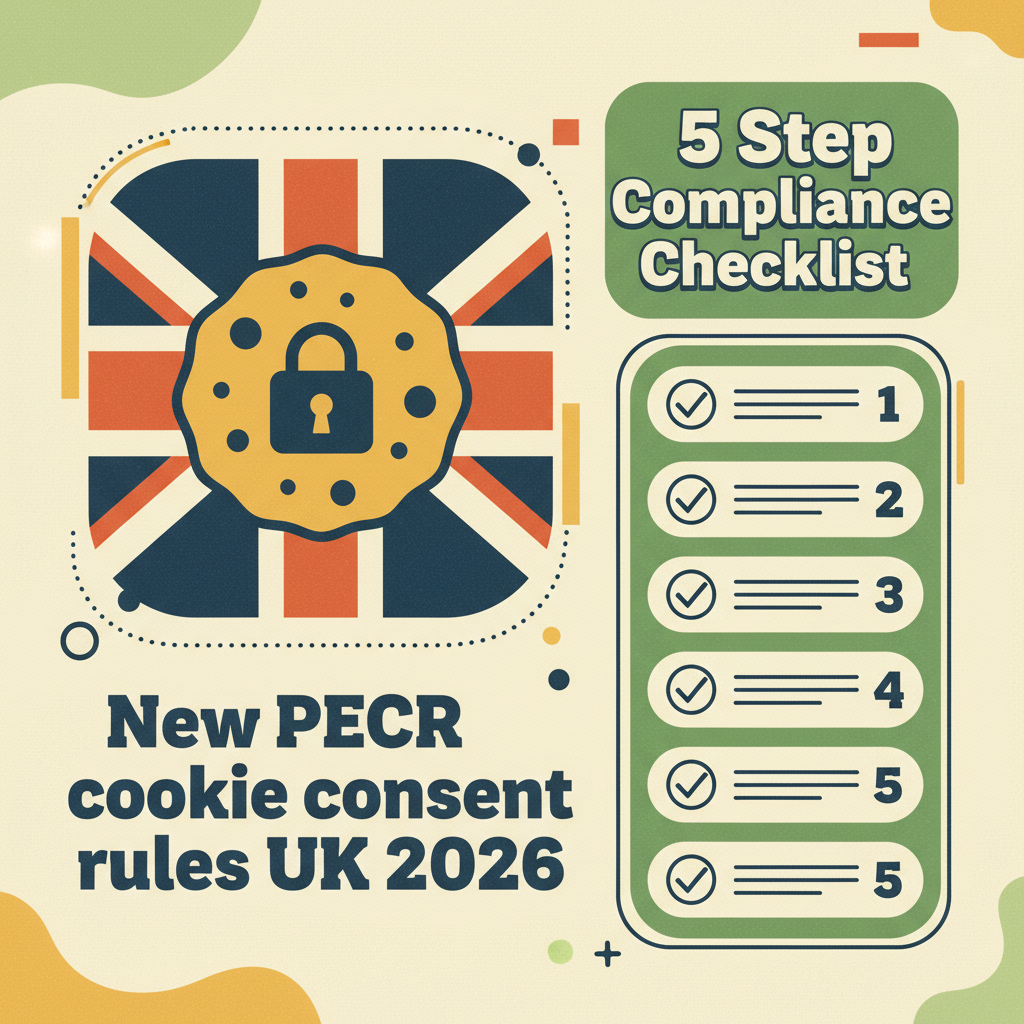
Preparing for the 2026 PECR Changes: A Checklist for Charities
To navigate these changes successfully and ethically, charities should start preparing now. Here are some key steps to take:
- Review and Update Privacy Policies: Ensure your privacy policy is transparent about how you will use personal data for marketing purposes under the new rules.
- Implement Clear Opt-Out Mechanisms: Check that all data capture points have a clear and easy-to-understand option to opt out of future communications.
- Segment Your Supporter Data: Differentiate between supporters who have given explicit consent and those who fall under the new soft opt-in category.
- Train Your Fundraising Teams: Ensure everyone in your organization understands the new rules and the importance of ethical communication.
- Focus on Value and Relevance: Develop a communication strategy that provides genuine value to your supporters and respects their preferences.
Conclusion: A New Era for Charity Fundraising
The upcoming changes to PECR in 2026 represent a landmark moment for UK charities. The introduction of the “charitable purpose soft opt-in” has the potential to unlock new fundraising opportunities and foster stronger relationships with supporters. However, this new flexibility comes with a significant responsibility. By embracing a transparent, respectful, and supporter-focused approach, charities can leverage these changes to not only boost their fundraising efforts but also to build lasting trust and engagement with their communities. The key will be to see this not as a shortcut to marketing, but as a new avenue for building genuine, long-term support for their vital work.