
For charity marketers, the to-do list is often longer than the day allows. You’re juggling donor newsletters, social media calendars, impact reports, and fundraising appeals—often with a shoestring budget and a small team. Enter generative AI for charity marketing. It’s not just a buzzword; it’s a force multiplier that can help you do more good in less time.
This guide isn’t about replacing your team with robots. It’s about using tools like ChatGPT, Claude, and Midjourney to handle the heavy lifting so you can focus on what matters most: building relationships and telling authentic stories. Let’s dive into five actionable content hacks you can use today.
1. The “Content Multiplier”: Turn One Asset into Sixty
One of the biggest pain points in nonprofit marketing is the constant need for new content. Stop creating from scratch and start multiplying.
The Hack: Take a single high-value asset—like your Annual Report or a recorded interview with a beneficiary—and use AI to repurpose it into a month’s worth of social media posts, blog articles, and email snippets.
Try This Prompt:
“I am pasting the text from our latest impact story about [Beneficiary Name]. Please act as a social media manager for a charity. Based on this text, generate:
- 3 LinkedIn posts (professional tone, focus on data/results).
- 5 Tweets/X posts (short, punchy, using relevant hashtags).
- 2 Instagram captions (emotive, storytelling focus).
- 1 short email blurb for our monthly newsletter summarizing the story.
[Paste Text Here]”
2. Personalized Donor Stewardship at Scale
Generic “Dear Friend” emails don’t inspire loyalty. Donors want to feel seen. While you can’t hand-write a thousand letters, generative AI can help you draft highly personalized templates that feel warm and specific.
The Hack: Use AI to draft thank-you notes that reference specific campaign goals or impact metrics. You can create different versions for first-time donors, monthly givers, and major donors in seconds.
Try This Prompt:
“Write a warm, heartfelt thank-you email to a donor who just contributed to our ‘Clean Water for All’ campaign. The tone should be grateful and inspiring. Acknowledge that their specific donation of $50 provides clean water for one family for a month. Avoid corporate jargon; sound like a human being.”
3. Visual Storytelling on a Budget
High-quality photography is expensive, and stock photos often feel staged. AI image generators like Midjourney or Canva’s Magic Media can create specific visuals for your blog headers or social media backgrounds, saving your budget for mission-critical work.
The Hack: Create “b-roll” style images to support your text overlays. Note: Always be transparent if an image is AI-generated, especially when depicting beneficiaries, to maintain ethical standards.
Try This Midjourney Prompt:
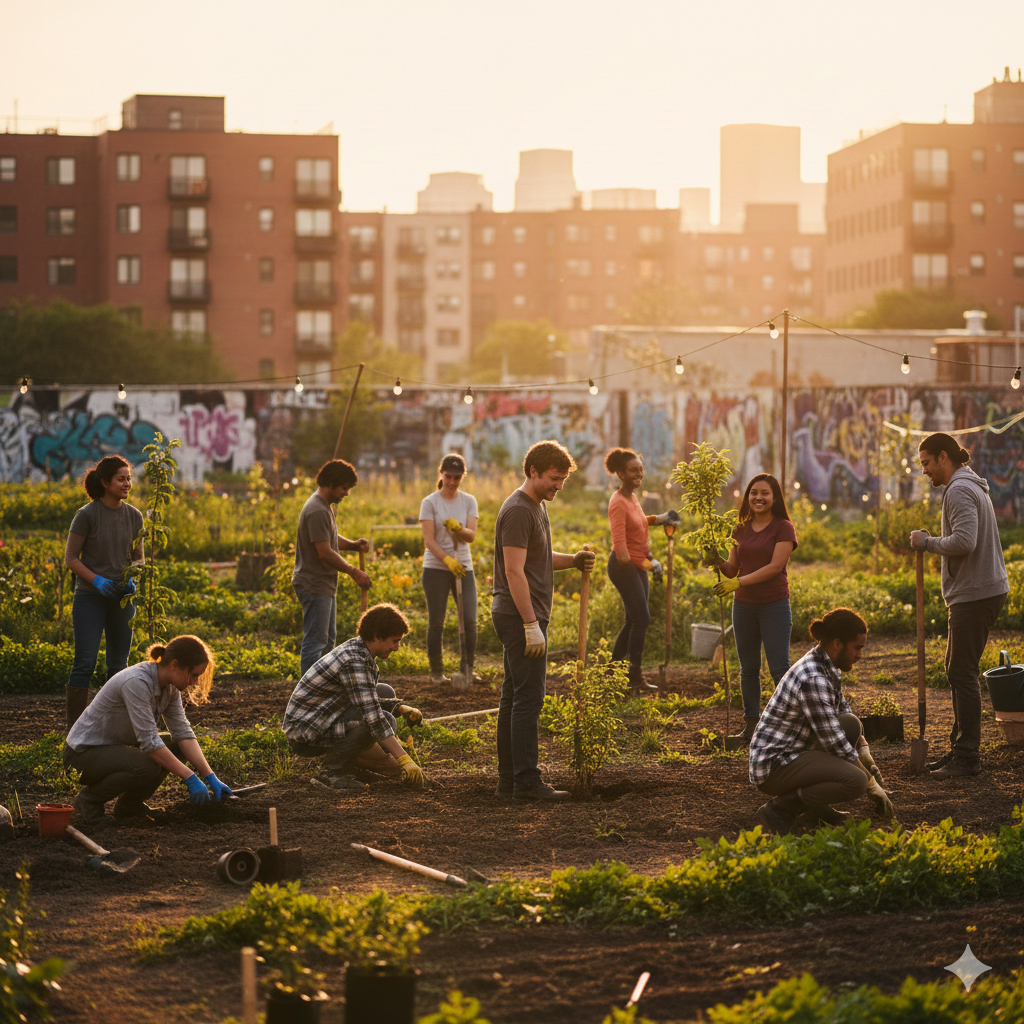
“Cinematic, photorealistic shot of a community garden in an urban setting, golden hour lighting, soft focus background, diverse group of volunteers planting trees, hopeful and uplifting atmosphere –ar 16:9”
4. SEO on Autopilot
Ranking on Google brings free traffic to your donation pages, but SEO (Search Engine Optimization) can be technical and tedious. Generative AI for charity marketing is particularly strong here.
The Hack: Use AI to generate meta descriptions, title tags, and keyword ideas for your blog posts. It can also help you structure your articles to answer the questions potential donors are actually asking.
- Keyword Research: “Act as an SEO specialist. List 20 long-tail keywords related to ‘food banks in London’ that potential donors or volunteers might search for.”
- Meta Descriptions: “Write a compelling meta description (under 160 characters) for a blog post titled ‘5 Ways to Support Homeless Youth this Winter’. Include the keyword ‘homeless youth support’.”
5. The “Blank Page” Cure for Grants & Appeals
Staring at a blank page is the enemy of productivity. AI is the ultimate brainstorming partner. It can provide outlines, headlines, and first drafts for fundraising appeals and even grant proposals.
The Hack: Feed the AI your rough notes or bullet points and ask it to structure a narrative. This gets you 80% of the way there, leaving you to refine the voice and check the facts.
Try This Prompt:
“I need to write a fundraising appeal for our year-end campaign. Our goal is $50,000 to buy a new van for mobile outreach. Here are the key points: [List 3-5 facts/stories]. Create an outline for a 4-part email series that builds urgency and emotion leading up to December 31st.”
Ethical AI: Keeping the “Human” in Humanitarian
While these tools are powerful, they come with risks. To use generative AI for charity marketing responsibly, keep these three rules in mind:
- Human in the Loop: Never copy-paste blindly. AI can hallucinate facts or use biased language. Always review and edit to ensure the voice sounds like you.
- Protect Privacy: Never put confidential donor data or sensitive beneficiary names into public AI tools.
- Authenticity Matters: Donors give to humans, not algorithms. Use AI to handle the logistics and drafting, but ensure the final emotional connection comes from a real person.
Conclusion
Generative AI isn’t about replacing the passion that drives your nonprofit; it’s about clearing the administrative clutter so that passion can shine brighter. Start small—try one of the prompts above this week—and see how much time you can reclaim for your mission.